Kinesthetic Processing
So far, we've discussed how visual and auditory processing difficulties can impact a child's life and education. How our brains interpret and perceive what we see and hear heavily impact how we can function in our daily lives let alone a classroom or academic setting. As we've noted already, difficulties with perceiving are characterized in numerous ways and not all children with a learning disability will experience the same struggles.
Kinesthetic processing, while some may argue to be less critical to the academic experience, is actually crucial in a child's development, most specifically as it interacts with our visual and auditory systems. Without all three of these perceptual functions working together, a child cannot learn easily and effectively.

What is kinesthetic processing?
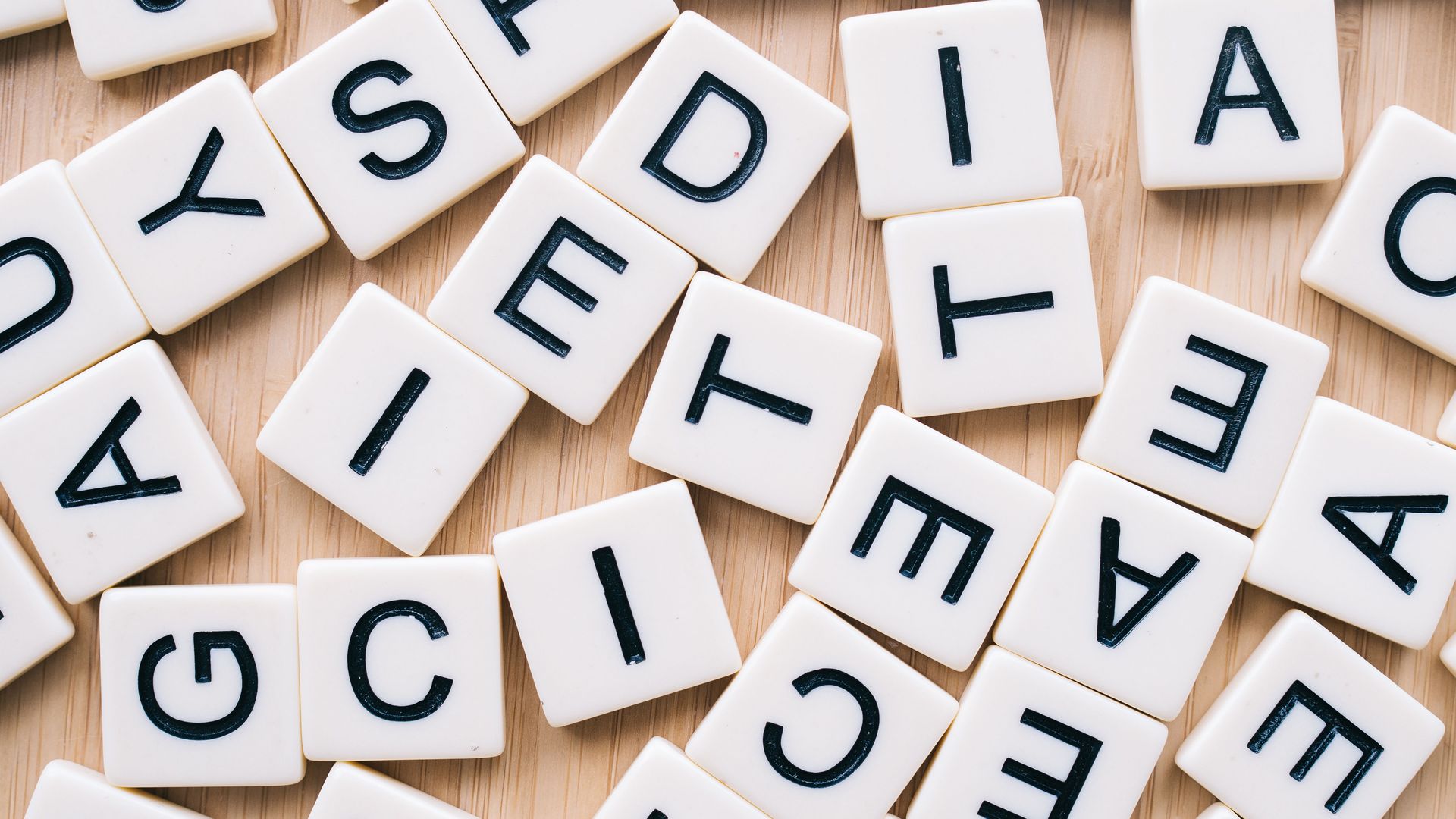
Kinesthetic Processing relates to our sense of touch and movement. In a learning environment, kinesthetics might be involved through manipulatives like blocks to teach counting and addition or letter tiles to help early learners understand a letter's physical form.
There are two kinds of kinesthetic processing: gross motor and fine motor.
Gross motor movements are large movements, like walking, running, or tossing a ball. Fine motor movements are small movements. They include writing, typing, knitting, sketching, stringing beads, and performing laser surgery.
Students with gross motor problems have trouble processing body movements throughout space. Certain movements, even after repeated trials, like skipping, dancing, swinging a bat, or even walking may feel awkward and unnatural. These students may frequently bump into objects because they don’t have a strong sense of the distance between their body and the objects. They may get lost in the mall, drop the ball at a crucial moment in the game or frequently trip. Students with severe gross motor problems tend to break bones, sprain muscles and bruise and scrape themselves more often than others.
Students with fine motor problems often have trouble learning to write. Gripping the pencil, even after repeated practice, may feel uncomfortable and awkward. Forming the letters and connecting them into words may cause problems. These students don’t seem to develop muscle memory for handwriting movements.
Written assignments often take longer for these students to complete, even when they know all the answers. These students may take pains to write slowly and carefully, yet all they get for their efforts is a sloppy piece of work turned in late. Or they may be able to write neatly, but at the expense of speed. If students cannot write legibly and fluently at the same time, they will have problems, particularly when they must finish class work within a time limit.
Long assignments, like book reports or term papers, can pose so much of a challenge that some students would rather settle for a low grade than experience the irritation and frustration that comes with writing the assignment. A low grade is less punishing.
Some students have trouble copying work from the board. They cannot seem to translate what they see and think into the proper handwriting movements. The students often test poorly on short answer and essay tests, even though they know the answers.
All of these difficulties derive from an under functioning kinesthetic system. What may look like laziness, avoidance, or a lack of understanding may actually be something much more basic.
In our posts we’ve walked through how a learning disability is defined (a perceptual and/or memory disorder that interferes with children’s ability to interpret and store what they see, hear, or sense through movement) and we’ve broken down how learning disabilities present in relation to auditory, visual, and kinesthetic processing. We’ve seen how these perceptual struggles greatly impact not only academics and school performance, but a child’s daily life.
It is important to make the distinction that learning disabilities are perceptual problems, NOT intellectual ones. Students with learning disabilities have average to above average intelligence. They think well, but have difficulties learning in spite of good intelligence.
If the signs we’ve discussed sound like they apply to your child, seek intervention services now. Stop waiting in the hope that they’ll catch up in a year. Stop labeling them as a “late bloomer.” These are signs that there is something more happening underneath the surface, and with the proper support, your child could flourish and enjoy learning, not merely struggle to get by.